Winter Nail Care Routine for Short Nails: How to Stop Cold-Weather Splitting and Hangnails

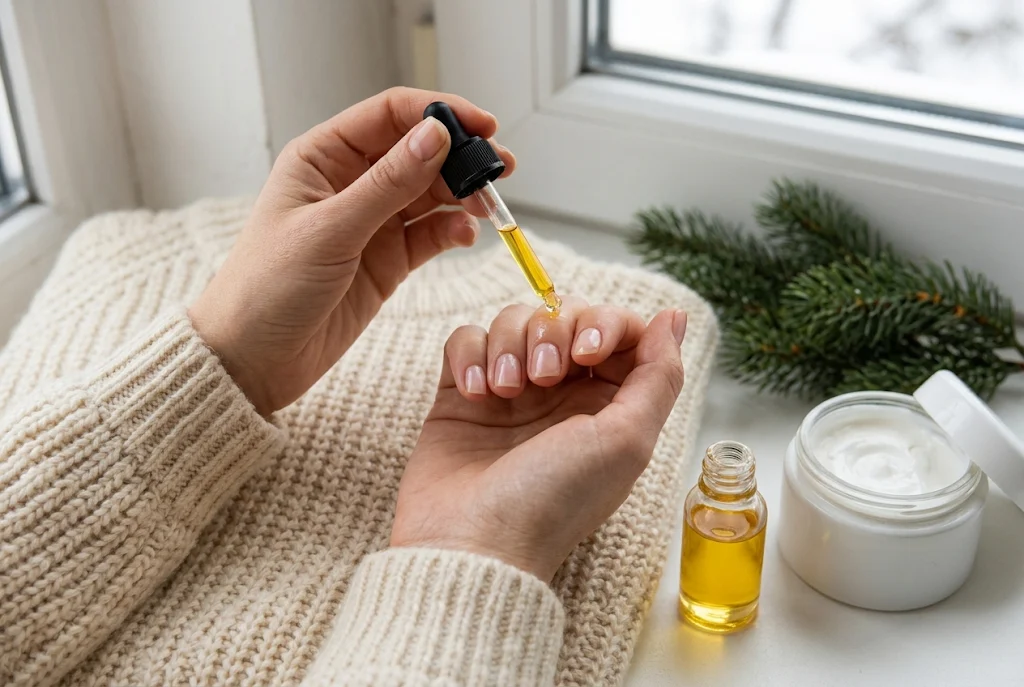
If your fingernails hold up fine all summer and then suddenly start snapping at the corners every November, you are not imagining things. Cold outdoor wind combined with dry indoor heating pulls moisture straight out of your fingertips faster than ordinary hand lotion can replace it. Building a realistic winter nail care routine for short nails is the easiest way to stop that seasonal cycle of peeling layers, tight skin folds, and painful hangnails.
Short natural nails have one big advantage in freezing weather: they do not bend like long extensions when you pull on heavy wool coats or zip up boots. Still, because the free edge sits right against your fingertip, dry winter keratin turns stiff instead of flexible. One awkward bump against a car door or laptop key is all it takes to start a horizontal split.
You do not need a twelve-step spa drawer to protect your hands from December through March. Below is a straightforward morning, midday, and bedtime routine designed for real cold-weather schedules, along with the exact habits that keep short nail beds smooth until spring.
Why Winter Air Wrecks Short Natural Nails So Quickly
Your nail plate is made of dozens of tightly compressed layers of keratin protein. Those layers stay smooth and flexible because of trace amounts of natural water and lipids sitting between them. In cold months, three everyday triggers strip that balance away at the same time:
- Low Outdoor Humidity Meets Indoor Radiators: Freezing air outside holds very little moisture, and central heating inside drops indoor humidity even further. Dry keratin loses its natural flex and turns brittle—much like a dry leaf that snaps instead of bending.
- Hot Showers and Frequent Handwashing: During cold and flu season, most of us wash our hands far more often, usually with hot water and foaming soap. Hot water strips away skin lipids while temporarily swelling the nail plate; when the nail dries ten minutes later, the layers contract and begin to flake apart at the tips.
- Temperature Swings Between Gloves and Cold Air: Going from a warm kitchen sink to icy air outside forces the nail plate to expand and shrink repeatedly, loosening the edges of both bare keratin and gel manicures.
If your tips are already thin from a recent salon removal before winter even started, pair this seasonal routine with our 14-day recovery plan for damaged short nails before applying new polish.
The Daily Winter Nail Care Routine for Short Nails (At a Glance)
Consistency beats expensive jars sitting untouched in a bathroom cabinet. This three-part schedule takes less than four minutes across your entire day:
| Time of Day | Time Needed | Core Step | Why It Matters in Winter |
|---|---|---|---|
| Morning (Before Leaving Home) | 60 seconds | Warm-water hand wash, pat dry, rub 1 drop of jojoba oil around nail folds, top with lightweight hand cream. | Creates a lipid barrier before your hands hit freezing wind or dry office air. |
| Midday (After Handwashing) | 20 seconds | Keep a click-pen cuticle oil and fragrance-free barrier cream at your desk or in your coat pocket. | Replaces natural oils stripped by harsh restroom soaps and alcohol hand sanitizer. |
| Bedtime (Overnight Repair) | 2 minutes | Massage pure jojoba oil into cuticles and under the free edge, then seal with a thick ceramide or petrolatum balm. | Prevents overnight moisture loss while indoor heating runs for eight hours. |
6 Practical Steps to Protect Short Nails All Winter
1. Switch From Scalding Water to Lukewarm Handwashing
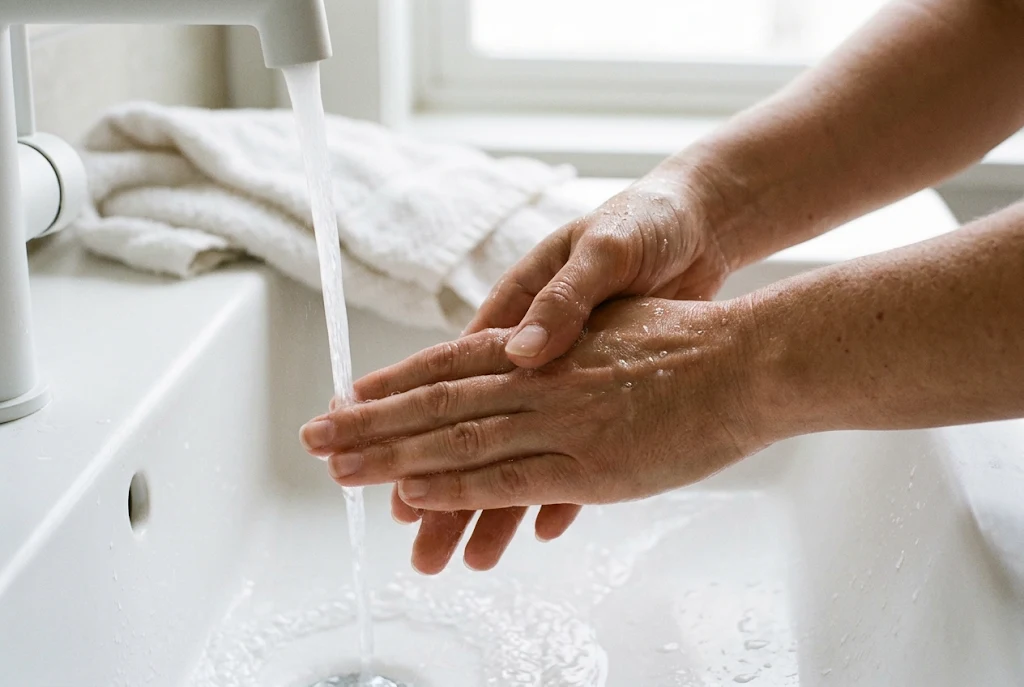
When your fingers feel numb from the cold, turning the faucet all the way to hot feels comforting for thirty seconds—and leaves your knuckles red and parched for the rest of the afternoon. Scalding water dissolves the thin lipid film protecting your proximal nail fold, which is why winter hangnails show up right along the side edges of your thumbs and index fingers.
Use lukewarm water with a gentle, cream-based hand wash instead of clear foaming soaps loaded with sulfates. Just as important: pat your fingertips dry with a soft towel instead of leaving them damp under air dryers, and apply a pea-sized drop of hand cream within sixty seconds while the skin is still slightly supple.
2. Oil Both the Cuticle Line and Underneath the Free Edge
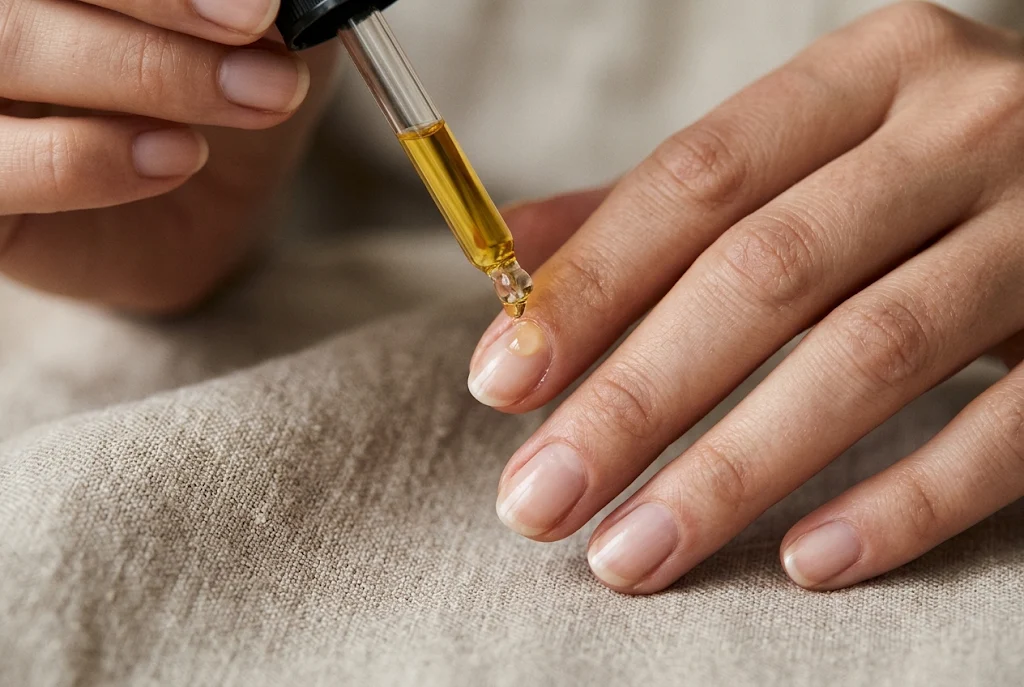
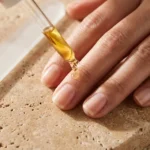
Most people swipe cuticle oil across the top of a painted nail and wonder why their tips still peel. Polish and gel act like a raincoat—oils cannot pass easily through cured lacquer. On bare nails, oil absorbs through the surface, but when you are wearing color, the only exposed entry points are the living skin fold at the base and the bare underside of your fingertip.
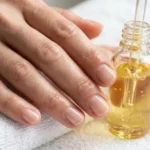
Reach for cold-pressed jojoba oil rather than heavy mineral-oil blends. Because jojoba is chemically close to human sebum, it sinks in cleanly without leaving greasy smudges all over your phone screen or keyboard. Swipe a tiny amount along the cuticle line and run the brush lightly underneath the tip every night before bed.
3. Try Overnight “Nail Slugging” When Indoor Heat Runs High
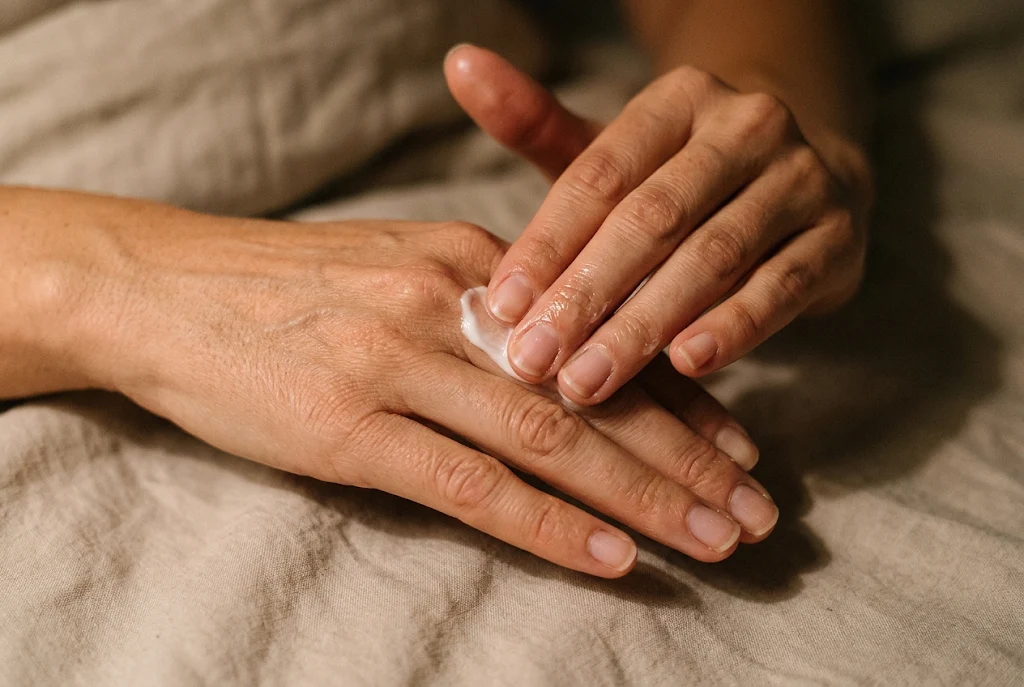
Lightweight lotions evaporate within an hour in a heated bedroom. If you wake up with tight, flaky skin around your short nails, borrow the skincare habit known as slugging and apply it strictly to your nail folds.
Start with your drop of jojoba oil so moisture actually penetrates the skin and keratin, then press a rice-grain amount of thick ceramide ointment, shea butter, or plain fragrance-free petroleum jelly around the perimeter of each nail. That occlusive layer locks the lightweight oil underneath so your hands stay soft until morning. If you are also dealing with overgrown dry skin hiding your nail bed, follow our gentle cuticle care guide for short nails once a week rather than picking at dry edges.
4. Wear Two Kinds of Gloves: Outdoor Wool and Kitchen Rubber
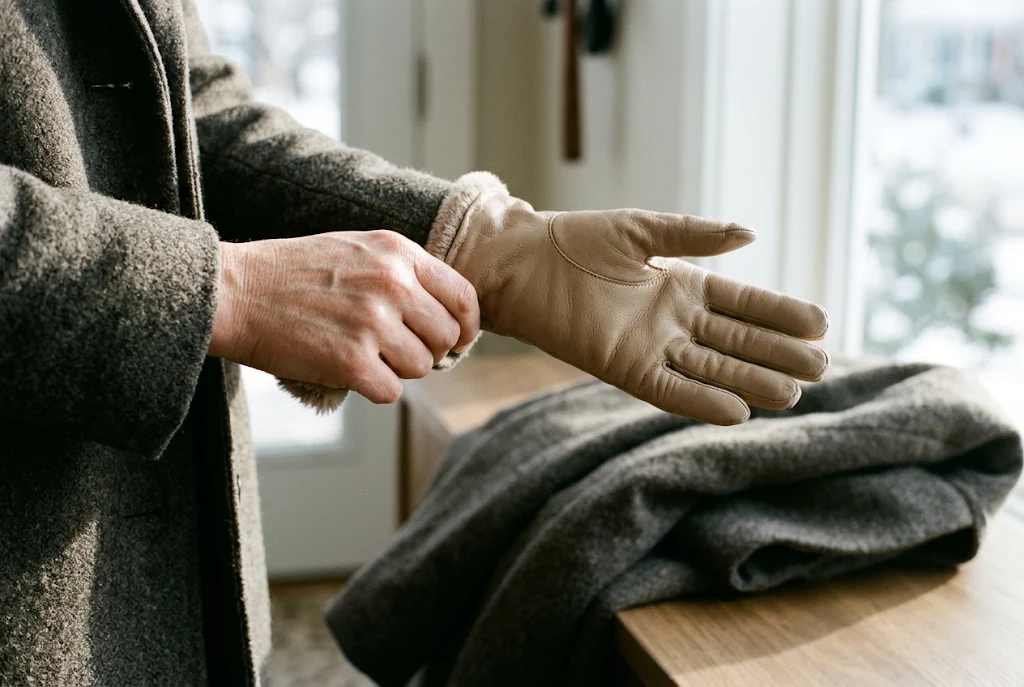
Gloves are the unglamorous secret behind almost every healthy winter manicure. Dermatologists at the American Academy of Dermatology consistently point to wearing gloves during wet chores and shielding hands from harsh weather as two of the simplest ways to stop brittle nails from splitting.
- Outdoors: Slip on lined leather or knit gloves before you even step outside—not after your knuckles are already wind-chapped halfway down the block.
- At the Sink: Keep cotton-lined rubber gloves hanging on your kitchen faucet. Washing holiday pots and baking sheets bare-handed in hot soapy water undoes an entire week of oiling in ten minutes.
5. Keep Your Free Edge Rounded and Sealed With a Glass File
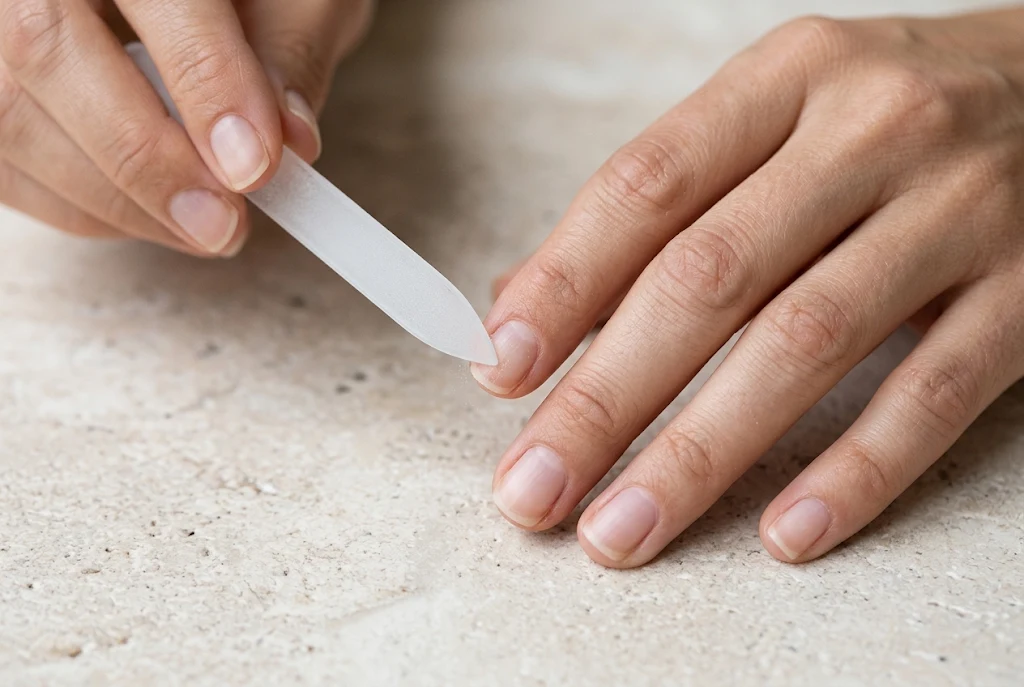
Winter clothing is full of snag hazards—chunky knit sleeves, tights, scarves, and coat zippers. Sharp 90-degree square corners catch on wool threads and tear horizontally into the pink nail bed when keratin is dry.
Keep your free edge trimmed neat and shaped into a soft round or short squoval contour using a fine 240-grit etched crystal glass file. Always file when your nails are completely dry, moving in one gentle direction from the outer corner toward the center. Coarse cardboard emery boards leave tiny ragged shreds along the tip that turn into full splits the next time you pull on a sweater.
6. Use a Breathable Ridge Filler or Flexible BIAB as a Winter Coat
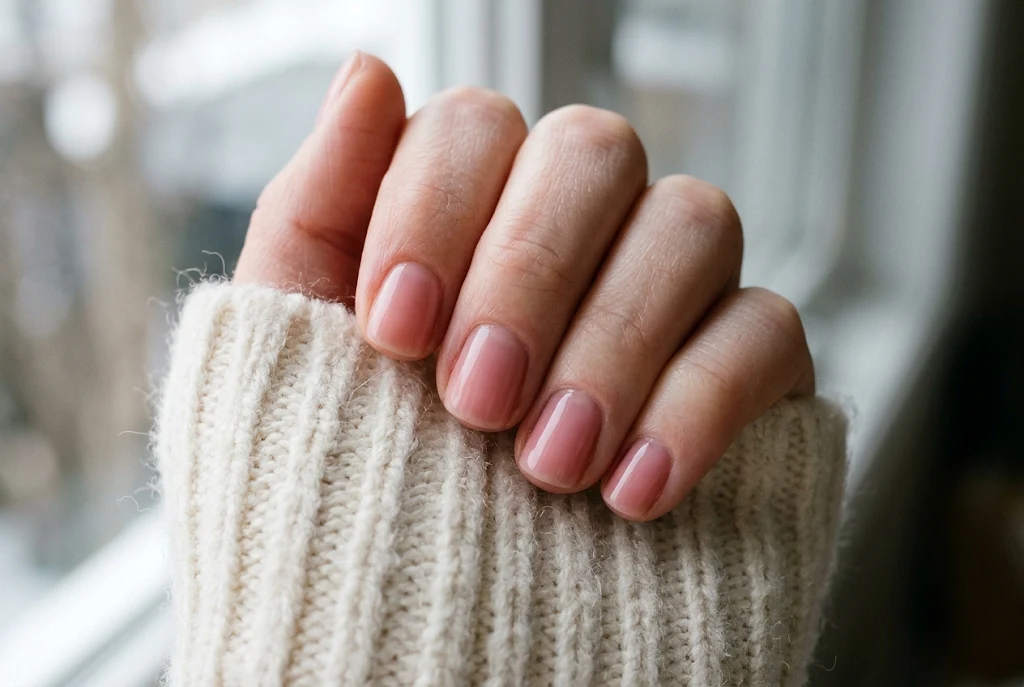
A common myth says brittle winter nails need to stay completely bare so they can “breathe.” Nails are made of dead keratin and receive all their nutrients from your bloodstream beneath the nail bed—not from open air. Leaving thin short nails totally bare in January exposes them directly to water swelling and cold wind.
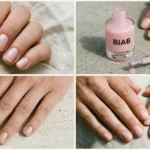
Coating bare nails with two thin layers of a formaldehyde-free conditioning base coat or a sheer builder gel (BIAB) overlay acts like a windbreaker for your fingertips. Just skip rigid drugstore “diamond hardeners” containing formaldehyde, which make dry winter nails overly stiff so they snap cleanly in half instead of flexing. For more long-term structural tips, see our complete guide on how to strengthen weak short nails.
3 Winter Habits That Secretly Cause Hangnails and Peeling
Even a solid moisturizing routine can fall short if one of these cold-weather habits slips into your day:
- Overusing Alcohol-Based Hand Sanitizer Without Re-Oiling: High-alcohol gels kill germs fast, but they evaporate natural moisture out of your cuticles within seconds. Whenever you have access to a sink, wash with gentle soap instead; when you do use sanitizer on the go, follow up with a swipe of cuticle oil or barrier cream once it dries.
- Pulling or Biting Dry Hangnails: Dry winter skin splits easily along the side walls. Pulling a loose tag downward rips into healthy living tissue, leaving a sore, inflamed corner. Keep clean cuticle nippers in your bathroom drawer, sanitize the blades with rubbing alcohol, and snip only the detached dead tip flush with the skin.
- Using Pure Acetone for Weekly Regular Polish Changes: Pure acetone is necessary for soaking off cured gel, yet using it every five days on regular lacquer strips essential lipids from already dry winter nails. Switch to a moisturizing, acetone-free remover enriched with glycerin or soy esters for regular polish, and always oil your nails right after removal.
Frequently Asked Questions
Why do my short nails peel more in winter than in summer?
Cold outdoor air and heated indoor rooms contain far less humidity than summer air. Because keratin loses water quickly in dry environments, the microscopic layers at your nail tips become stiff and separate horizontally—especially when combined with frequent hot handwashing.
How many times a day should I apply cuticle oil in winter?
Aim for at least twice a day: once in the morning before heading outside, and once right before bed sealed under a thick hand cream or balm. If you wash your hands frequently at work, keeping a mess-free cuticle oil pen at your desk for one midday swipe makes a noticeable difference within two weeks.
Is hand cream enough for winter nail care, or do I really need cuticle oil?
They do two different jobs. Pure jojoba cuticle oil has tiny molecules that slip into the nail plate and skin folds to restore flexibility, whereas thick hand creams (especially formulas with ceramides, glycerin, or 5% to 10% urea) sit on top of the skin to seal that moisture in. Layering oil first and cream second works much better than either one alone.
Can I still wear festive gel manicures in winter without ruining my short nails?
Yes—as long as you prep dry, wear dish gloves, oil your cuticles daily, and never peel lifting corners off with your teeth or fingers. Wearing a flexible base coat actually shields short natural tips from water swelling during winter chores.
Final Thoughts
A dependable winter nail care routine for short nails does not require complicated products or weekly salon visits. Swapping scalding water for lukewarm washes, slipping on gloves before stepping into the cold, filing snags smoothly with a glass file, and locking jojoba oil under a rich balm at night are small daily habits that add up fast—keeping your short natural nails smooth, comfortable, and split-free until spring returns.